The short answer
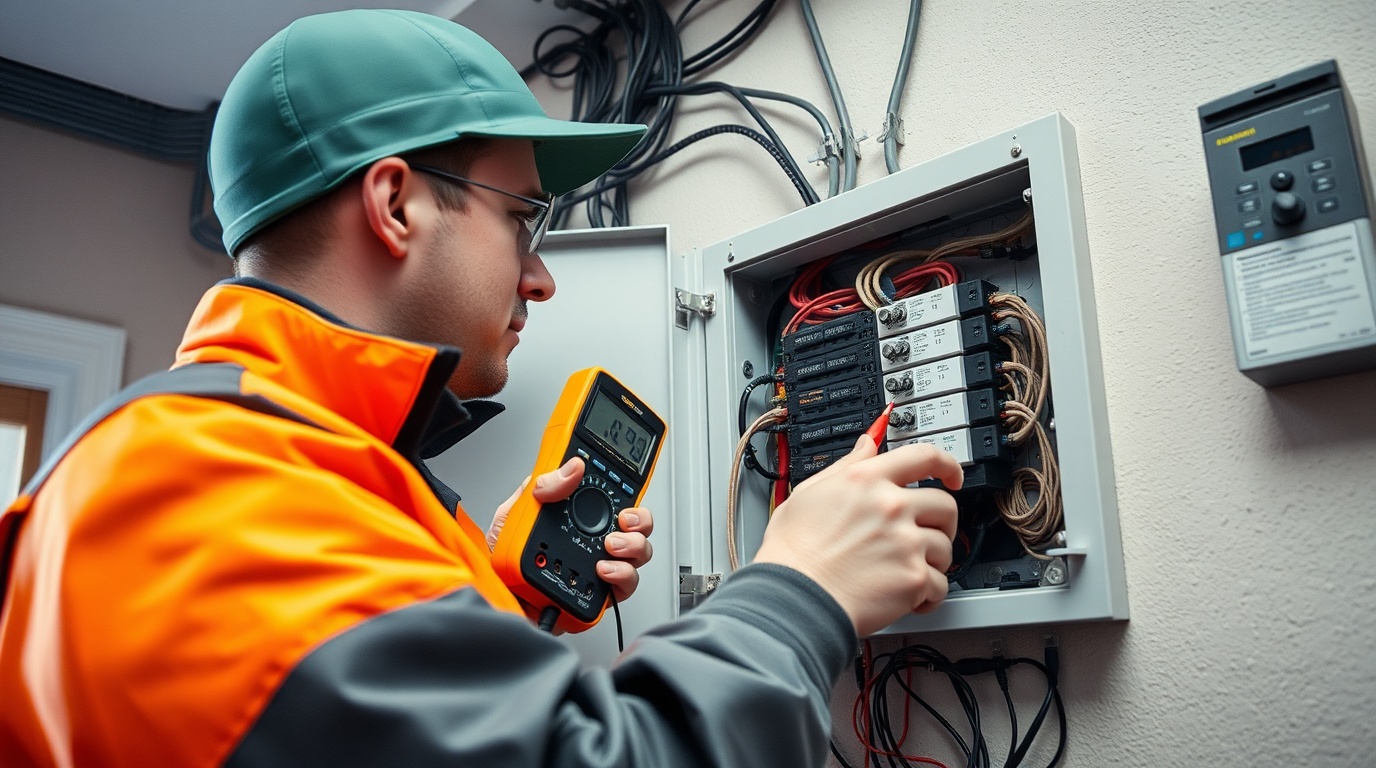
An EICR is a combination of a visual inspection and electrical testing of the fixed installation against BS 7671. It checks the consumer unit (fuse board), the wiring and cables, earthing and bonding, sockets, switches and accessories, and protective devices such as RCDs. The electrician tests for things that cannot be seen — insulation resistance, earth fault loop impedance, polarity, continuity and RCD operation — to confirm the installation is safe under fault conditions. It assesses the fixed wiring, not your plug-in appliances (that is PAT testing). Findings are recorded against the codes C1, C2, C3 and FI, leading to an overall satisfactory or unsatisfactory result.
Knowing what an EICR covers helps you understand the report you receive and why an inspection takes the time it does. The sections below set out the inspection, the testing, and the limits of what is checked.
What's inspected
- Consumer unitBoard, fuses, RCDs
- WiringCables and circuits
- Earthing & bondingProtective measures
- AccessoriesSockets, switches
- Not coveredPlug-in appliances (PAT)
The visual inspection
The first part of an EICR is a thorough visual inspection of the fixed installation, looking for damage, deterioration, wear and anything that does not meet the standard. The electrician examines:
- The consumer unit (fuse board): its type and condition, whether it provides adequate protection, and whether RCDs are present and appropriate.
- Cables and wiring that are accessible: condition, type and signs of overheating or damage.
- Sockets, switches, light fittings and accessories: damage, scorching, looseness or unsafe modifications.
- Earthing and bonding arrangements, including main protective bonding to gas and water services where required.
- Signs of DIY or non-compliant work, and whether the installation suits the property's use.
The visual stage alone catches many issues, but it cannot reveal hidden faults — which is what the testing is for.
The visual inspection is also where the electrician forms a judgement about the installation as a whole, not just its individual parts. They are looking for the tell-tale signs of an installation that has aged or been altered piecemeal: a mix of old and new accessories, cable types that date the wiring, a consumer unit that does not match the rest of the work, or evidence that circuits have been extended without proper protection. A board full of rewireable fuses with no RCD, perished rubber-insulated cable, or scorch marks around a socket are all things the eye can catch before any instrument is connected. This stage often determines where the testing is focused, because anything that looks suspect on inspection is exactly what the measurements then need to confirm or rule out.
The testing
The second part is electrical testing using calibrated instruments, to check things that cannot be seen. This requires part of the installation to be safely isolated. The core tests include:
- Insulation resistance: confirms the cable insulation is intact and not breaking down, which would risk shock or fire.
- Earth fault loop impedance: verifies that protective devices will disconnect quickly enough under a fault.
- Continuity of protective conductors and bonding.
- Polarity: confirms live, neutral and earth are connected correctly.
- RCD operation: checks that residual current devices trip within the required time to protect against shock.
Together, the inspection and tests build a picture of whether the installation is safe in normal use and under fault conditions. The results are recorded on the report.
The reason both halves matter is that they catch different kinds of problem. The visual inspection finds what is wrong with the installation as it sits — damage, deterioration, unsafe modifications, missing protection you can see. The testing finds what is wrong with how the installation behaves when something goes wrong: whether a protective device will actually disconnect fast enough, whether the insulation is still doing its job, whether an RCD will trip in time. A cable can look perfect and still fail an insulation test; a circuit can test correctly and still have a scorched, dangerous accessory the instruments would never reveal. It is the combination — eyes and instruments — that lets an EICR speak to both the visible condition and the hidden, fault-condition safety of the wiring, which is why neither stage on its own would be enough.
What is not checked, and how findings are coded
An EICR covers the fixed electrical installation — the wiring, accessories and consumer unit that are part of the building. It does not test your plug-in appliances such as kettles, washing machines or lamps; that is a separate process called PAT (portable appliance testing). An EICR also has practical limits: it inspects what is reasonably accessible, and the report notes any limitations or areas that could not be examined.
The distinction between the fixed installation and plug-in appliances is worth holding onto, because it explains a lot about what the report does and does not tell you. The fixed installation is everything wired permanently into the building — the cables in the walls, the consumer unit, and the sockets, switches and light fittings themselves. Anything that connects via a plug sits outside the EICR's scope: a faulty kettle or a frayed lamp flex would not appear on the report, even though they are genuine hazards, because they are not part of the building's wiring. Anyone wanting confidence in both should treat the EICR and PAT testing as complementary rather than overlapping — the EICR proves the installation is sound, while PAT covers the equipment that plugs into it.
Every observation is recorded against a classification code:
| Code | Meaning |
|---|---|
| C1 | Danger present — immediate action required |
| C2 | Potentially dangerous — urgent remedial action |
| C3 | Improvement recommended — not a defect |
| FI | Further investigation required without delay |
Classification codes per the model EICR form (BS 7671). Source: Electrical Safety First.
How thorough the inspection is, and sampling
A common question is whether the electrician opens up every socket and lifts every floorboard. In practice, an EICR works on a basis of inspection and sampling rather than dismantling the whole installation. The report records an extent and limitations section that sets out how much of the installation was inspected and tested, and why any parts were not.
Several factors shape how deep the inspection goes:
- Accessibility: wiring buried in walls or under fixed floors cannot all be exposed, so the electrician relies on testing and a representative sample of accessible points.
- Sampling: on larger or older installations, a proportion of accessories may be opened and examined rather than every single one, with the sample size noted on the report.
- Agreed limitations: areas that are inaccessible, or where opening up would cause damage, are recorded as limitations rather than left silently unchecked.
This is why two EICRs on the same property can differ slightly in scope, and why the limitations section matters. A report that inspected very little, with heavy limitations, gives less assurance than a thorough one. When commissioning an EICR it is reasonable to discuss the intended extent up front, so the result reflects a genuine assessment of the installation rather than a cursory look.
Frequently asked questions
Does an EICR check my appliances?
No. An EICR checks the fixed electrical installation — wiring, sockets, switches, earthing and the consumer unit. It does not test plug-in appliances such as kettles or washing machines; that is a separate process called PAT (portable appliance testing).
Will the power be off during an EICR?
Parts of it, yes. Some tests, such as insulation resistance, require circuits to be safely isolated, so areas of the property lose power during the inspection. This is normal and necessary to carry out the testing accurately and safely.
What tests are done in an EICR?
The electrician carries out both a visual inspection and instrument testing. Core tests include insulation resistance, earth fault loop impedance, continuity of protective conductors, polarity, and RCD operation — checking the installation is safe in normal use and under fault conditions.
Sources & further reading
Figures on this page are typical UK ranges drawn from published sources and depend on your specific property. They are guidance, not a quotation. Legal duties are summarised for guidance — confirm the current position on GOV.UK.